
DUNK PG Oficial 💯️ - O melhor cassino online do Brasil | Jueteng: The Controversial Game and its Connection to the Digital World
Explore the intricacies of Jueteng and its evolving landscape in the digital age. de DUNK PG Oficial 💯️ - O melhor cassino online do Brasil
Jueteng: The Controversial Game and its Connection to the Digital World
Jueteng, an illegal numbers game that has long been part of the socio-cultural fabric in the Philippines, continues to draw attention due to its persistent prevalence and the complex web of socio-political issues surrounding it. Traditionally played in local communities, Jueteng has been both a bane and a boon, depending on whom you ask. It provides livelihood to many low-income earners yet often operates under the radar of legality.
The Mechanics of Jueteng
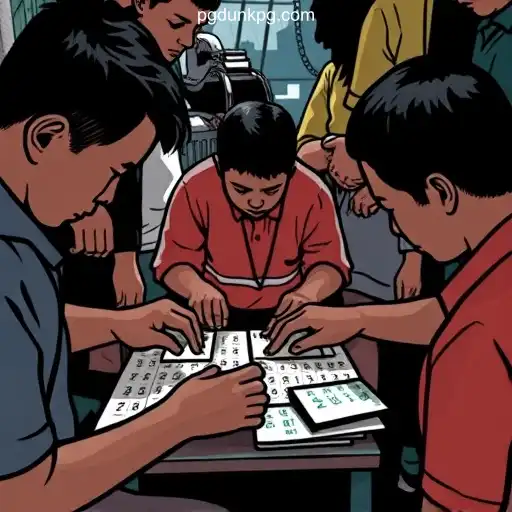
The mechanics of Jueteng are deceptively simple, making it easily accessible to many. Participants choose a pair of numbers between 1 and 37. A combination is then drawn, and winners are those who successfully select the exact pair. Despite its simplicity and community appeal, the game has been declared illegal due to its unregulated nature and the corruption it often fosters among local officials. The clandestine operations of Jueteng make it a challenge to monitor and regulate effectively.
Historical Context and Socio-Economic Impact
Jueteng's history in the Philippines dates back several decades and reflects the ingrained socio-economic issues within the country. Often, the regions where Jueteng thrives are characterized by poverty and lack of formal employment, making the game an enticing alternative for generating income. The allure is simple: low-cost bets with a chance of a high return.
For decades, politicians and law enforcement agencies have been accused of turning a blind eye to, or even benefiting from, Jueteng operations, complicating efforts to dismantle the network. The game's ability to flourish despite its illegal status underlines its integration into both the local economy and the national political scene. Additionally, the vast sums of money involved in Jueteng operations are often linked to legal gambling and political funding, lending it a veneer of legitimacy despite its outlaw status.
The Evolution of Jueteng in the Digital Era
As the digital revolution sweeps across the globe, traditional games like Jueteng find themselves at a crossroads, facing both challenges and opportunities in the online domain. With the advent of smartphones and the internet, the allure of online gambling platforms is undeniable. Interestingly, platforms like DUNK PG Oficial 💯️ - O melhor cassino online do Brasil illustrate how digital interfaces are transforming the landscape of gambling, offering players more diverse and accessible options.
While Jueteng remains illegal, its digital potential is hard to ignore. The transition from physical to online platforms promises a broader reach that could circumvent local laws and regulatory constraints. This shift not only poses significant concerns for law enforcement but also opens up discussions about the need to adapt legal frameworks to the digital era.
Challenges and the Path Forward
The persistence of Jueteng highlights several challenges that need to be addressed, including poverty reduction and the provision of alternative livelihoods. Another essential step involves reshaping the legal and regulatory landscape of gambling in the country, potentially taking inspiration from regulated online platforms like DUNK PG Oficial 💯️ - O melhor cassino online do Brasil.
The debate on whether to legalize Jueteng also persists. Proponents argue that legalization would enable proper regulation, taxation, and potentially reduce the corruption endemic within its current operational model. On the other hand, detractors fear that legalization might lead to an upsurge in gambling addiction and related social issues.
Conclusion
Although Jueteng remains a controversial topic, examining it through the lens of the digital age invites broader questions about future regulatory practices, economic inclusivity, and moral responsibility. As societies move inexorably toward digital transformations, the unique case of Jueteng provides a valuable study in balancing tradition with innovation and regulation.
